Q: I've noticed a lot of ticks in my yard and on trails this year—how worried should I be about Lyme disease?
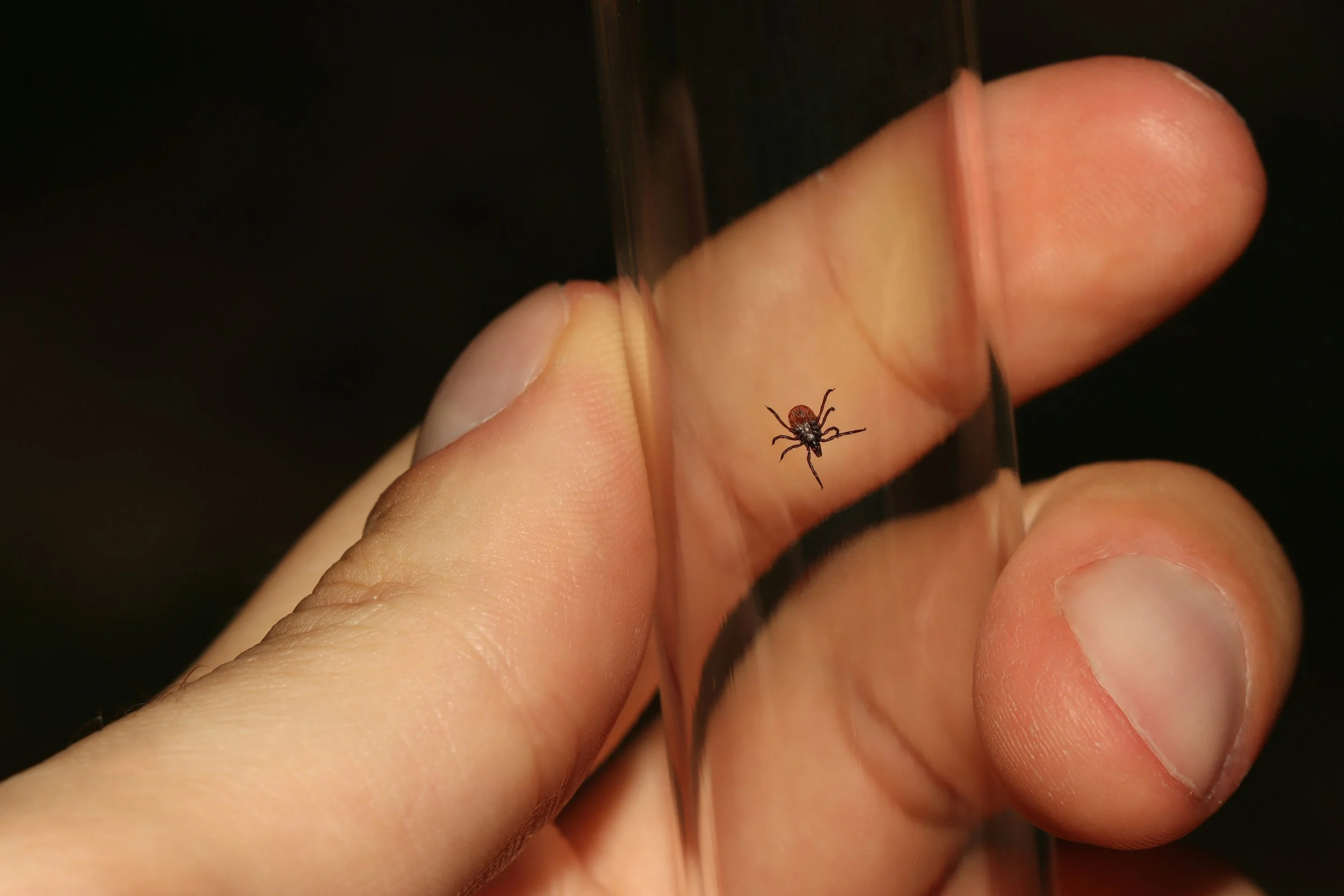
Ticks are most active from May through July, right when Berks and Chester County families are back outside.
Q: I've noticed a lot of ticks in my yard and on trails this year—how worried should I be about Lyme disease?
A: Great question, and an important one for our area. Berks, Chester, and Montgomery Counties sit in one of the highest-risk regions in the country for Lyme disease. If you spend any time in your yard, on local trails, or near wooded and tall-grass areas, ticks are worth taking seriously.
Q: Why is Lyme disease such a concern here?
Southeastern Pennsylvania has a dense population of blacklegged ticks (deer ticks), which carry the bacteria that causes Lyme disease. Because our region is a mix of woods, farmland, and suburban yards that border both, ticks have plenty of habitat close to home. Most bites happen without anyone noticing.
Q: How can I protect myself and my family?
A few habits go a long way:
Use an EPA-registered tick repellent when outdoors, especially in grass or wooded areas
Wear long sleeves and pants, and tuck pants into socks on trails
Stick to the center of mowed paths and avoid brushing against tall grass
Do a full tick check after being outside, paying attention to the scalp, behind the ears, underarms, and waistline
Treat pets with vet-approved tick prevention; they can carry ticks into the house
Q: What should I do if I find a tick attached to me?
Remove it right away with fine-tipped tweezers, pulling straight up and steady, not twisting. Clean the area with soap and water. You don't need to save the tick or panic if it's removed promptly, but keep an eye on the site for the next several weeks.
Q: When should I see a doctor?
Get evaluated if you notice:
A rash, especially one that expands or looks like a bullseye
Fever, chills, fatigue, or body aches within a few weeks of a bite
A tick that was attached for more than 24 hours, or one you can't remove completely
Lyme disease is very treatable with antibiotics, especially when caught early. Don't wait if something feels off.
Q: Final advice?
You don't have to stay indoors all summer to stay safe. A little prevention and a quick daily tick check will cover you for most of the risk. If you're ever unsure about a bite or a rash, urgent care can take a look same-day and get you started on treatment if needed.