Q: My child got stung by a bee this summer—how do I know if it's a normal reaction or something more serious?
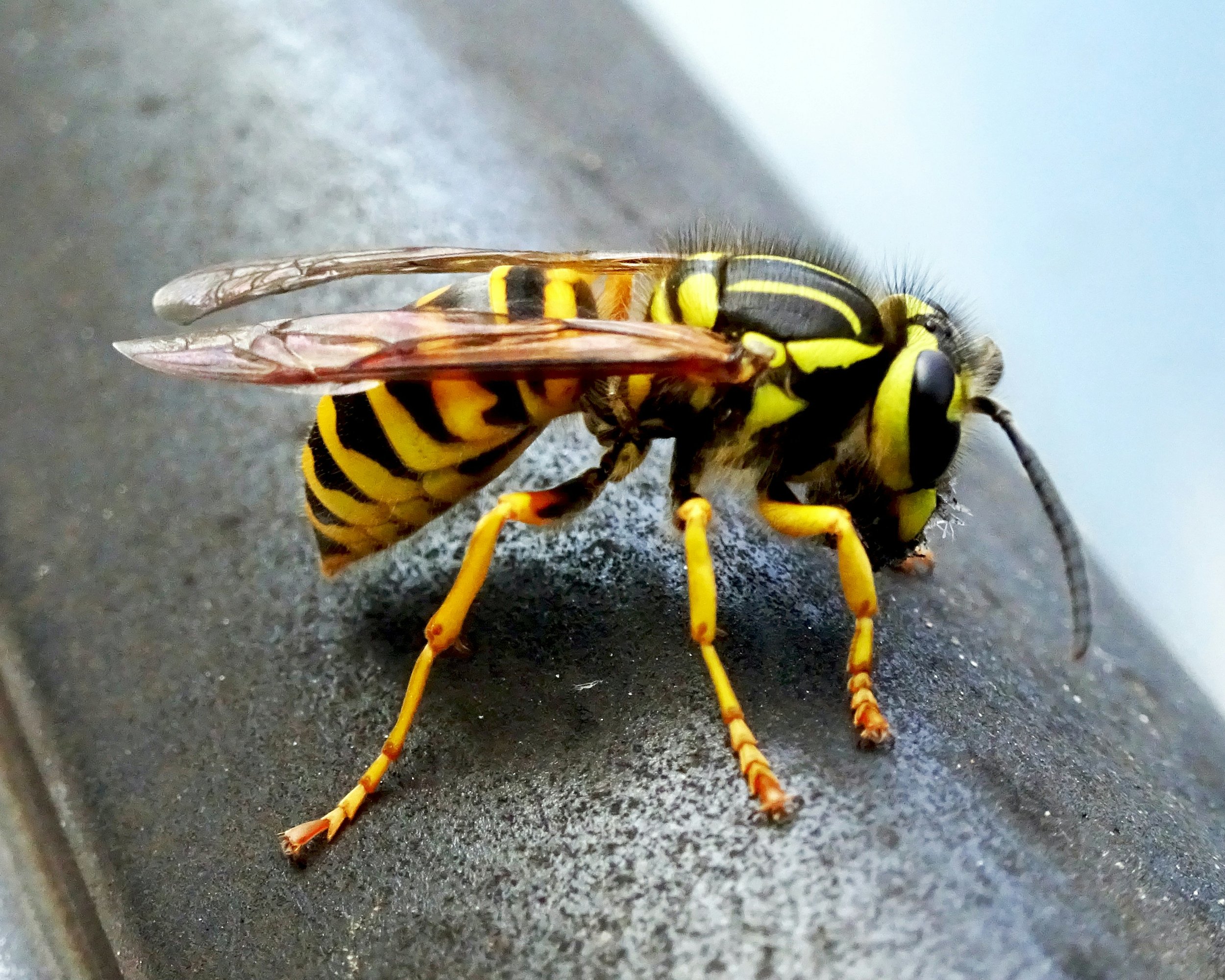
Stings are a rite of summer in our area, from backyard cookouts to hikes along French Creek.

Q: My child got stung by a bee this summer—how do I know if it's a normal reaction or something more serious?

A: Bee and wasp stings pick up every July as families spend more time outdoors. Most stings are uncomfortable but harmless. The key is knowing the difference between a normal local reaction and one that needs medical attention.

Q: What's a normal reaction to a sting?

Expect pain, redness, and swelling right at the sting site, sometimes lasting a day or two. Itching is common as it heals. This is your body's normal response and doesn't need anything beyond basic home care.

Q: What are the warning signs of a more serious reaction?

Watch for symptoms away from the sting site, such as:

  • Swelling of the face, lips, tongue, or throat

  • Difficulty breathing or swallowing

  • Hives or a rash spreading across the body

  • Dizziness, a rapid heartbeat, or fainting

  • Nausea or vomiting soon after the sting

These can signal a systemic allergic reaction, which can escalate quickly and needs immediate medical care.

Q: What should I do right after a sting?

For a typical, local reaction:

  • Remove the stinger if it's still in the skin by scraping it out with a fingernail or card edge

  • Wash the area with soap and water

  • Apply a cold compress to reduce swelling

  • An over-the-counter antihistamine or hydrocortisone cream can ease itching

Q: When should I seek medical care?

Call 911 or go to the ER for any signs of a whole-body allergic reaction, especially trouble breathing. For a local reaction that's unusually painful, swollen, or shows signs of infection a day or two later, urgent care is the right stop.

Q: Final advice?

Most stings are a summer nuisance, not an emergency. But if you've never seen how your child (or you) reacts to a sting, know the warning signs of a serious reaction before it happens. If something feels different this time, don't wait it out.

Dr. Gary Herring, MD

Dr. Gary A. Herring, M.D. is a board-certified family medicine physician and the founder, CEO, and Medical Director of A-Z Health Services in Elverson, Pennsylvania. With more than 25 years of hands-on clinical experience spanning family practice, emergency medicine, hospitalist care, occupational health, and outpatient surgery, Dr. Herring brings a rare breadth of expertise to every patient encounter.

Dr. Herring founded A-Z Health Services in 2018 to deliver comprehensive, patient-centered care to the Berks and Chester County community—all under one roof. Whether you need a same-day urgent care visit, routine primary care, a pre-employment physical, chiropractic care, weight-loss guidance and support, or outpatient surgery consultation, Dr. Herring and his team are equipped to help.

Before establishing A-Z Health Services, Dr. Herring spent over a decade practicing emergency medicine at Level I and Level II trauma centers across Pennsylvania and Arizona, including serving as ER Director and EMS Director at Fort Defiance Indian Hospital. At this Level II Trauma Center, he led a team of more than 70 nurses and EMS personnel. He also served as Medical Director for Eagle Air Medical Transport, a fixed-wing air ambulance service providing 24/7 critical care transport for patients in Arizona, the Navajo Nation, and the Four Corners region

His dual foundation in family medicine and high-acuity emergency care means Dr. Herring is equally comfortable managing chronic conditions, acute injuries, and everything in between, making A-Z Health Services one of the most clinically capable urgent care and primary care practices in southeastern Pennsylvania.

https://www.a-zurgentcare.com/dr-gary-herring-md
Previous
Previous

Q: My kid needs a sports physical before the fall season starts—what does that actually involve, and how soon should I schedule it?

Next
Next

Q: I've noticed a lot of ticks in my yard and on trails this year—how worried should I be about Lyme disease?