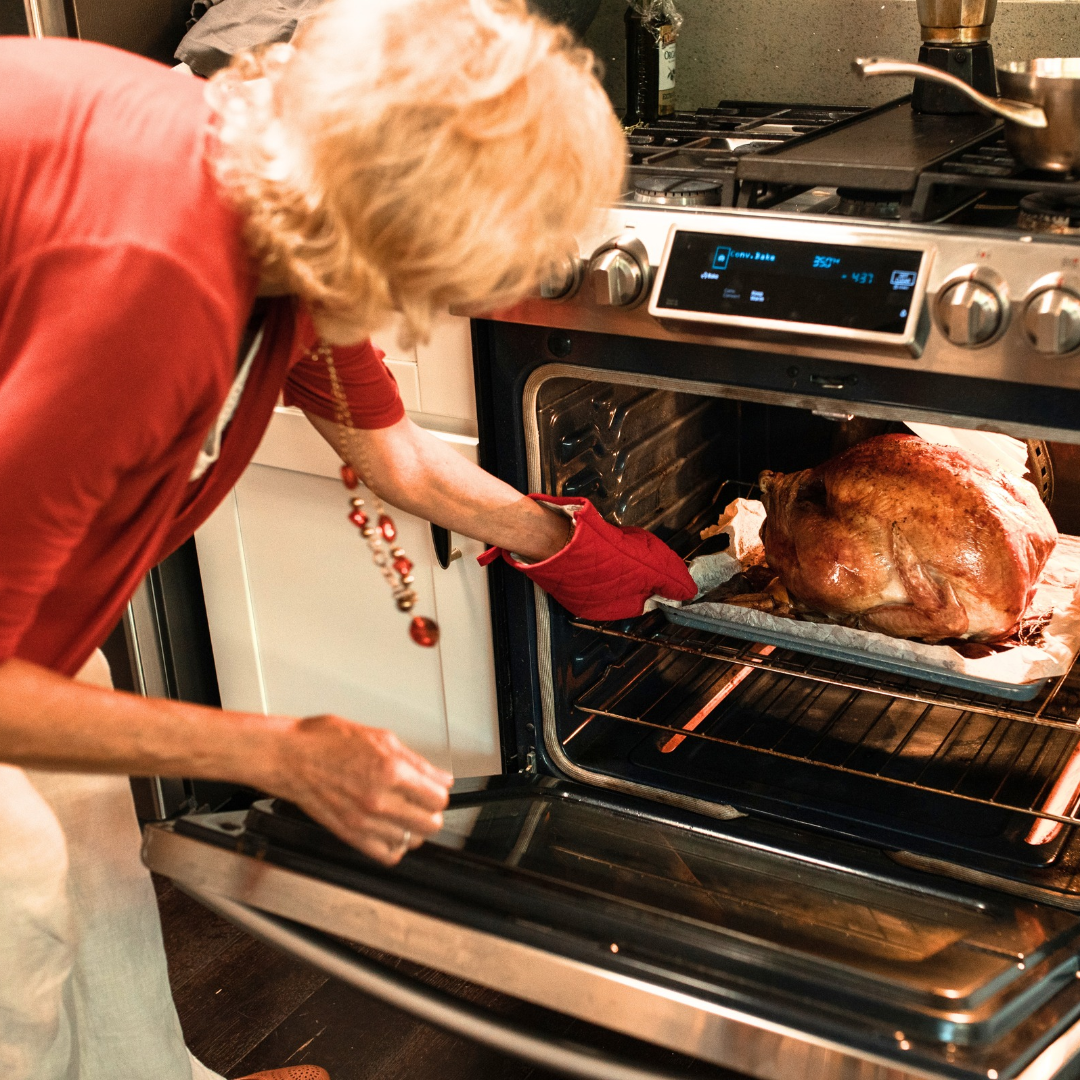
Q: What are the most common kitchen injuries on Thanksgiving, and how can I avoid them?
Thanksgiving means more time in the kitchen than any other day of the year, and that means more opportunities for burns, cuts, and cooking mishaps.
A: Every November, we see a predictable bump in minor kitchen injuries right around Thanksgiving. Most are avoidable with a little extra attention on a day when the kitchen is busier and more crowded than usual.
Q: What injuries do you see most often?
The repeat offenders every year are:
Oven and stovetop burns, often from pulling out a hot pan without a good grip
Knife cuts while carving the turkey or prepping vegetables
Scalds from hot liquids like gravy, stuffing, or boiling water for potatoes
Slips and falls from a kitchen floor crowded with extra cooks and foot traffic
Q: How can I avoid burns and scalds?
A few habits make a real difference:
Use dry oven mitts; a damp one can transfer heat straight through
Turn pot handles inward on the stove so they can't be bumped or grabbed by kids
Let the turkey rest and cool slightly before carving
Keep a clear path between the oven and the counter so you're not maneuvering a hot dish around people
Q: What about knife safety while carving and prepping?
Most carving injuries happen when a knife is dull or the person carving is rushed. Use a sharp carving knife (a dull one requires more force and slips more easily), cut on a stable board, and keep your fingers curled away from the blade. If you're not confident carving, there's no shame in kitchen shears or asking someone else to take over.
Q: Is the turkey itself a food safety concern?
Yes. Undercooked turkey is a real risk alongside the cuts and burns. Use a meat thermometer and check that the thickest part of the breast and thigh reach 165°F. This is separate from general foodborne illness prevention. This is specifically about making sure the bird itself is fully cooked before it hits the table.
Q: When should an injury get medical attention?
Get checked out for:
A burn that blisters, is larger than a few inches, or is on the face or hands
A cut that won't stop bleeding after direct pressure, or that's deep enough to see fat or muscle
Any injury where you're unsure if stitches are needed
Q: Final advice?
Slow down, use good oven mitts, keep knives sharp, and check your turkey's temperature before serving. A few careful habits in the kitchen mean more time enjoying the meal and less time worrying about a trip to urgent care.