Protection from the "stomach bug" norovirus
Q: How can I protect myself from the "stomach bug" norovirus?
A: Norovirus, a highly contagious virus, is a leading cause of gastroenteritis, resulting in nausea, vomiting, diarrhea, and stomach cramps. Outbreaks are common in crowded settings like schools, cruise ships, and nursing homes, but there are steps you can take to protect yourself and manage symptoms if infected.
The virus spreads through contaminated food, water, surfaces, or close contact with infected individuals. To reduce your risk:
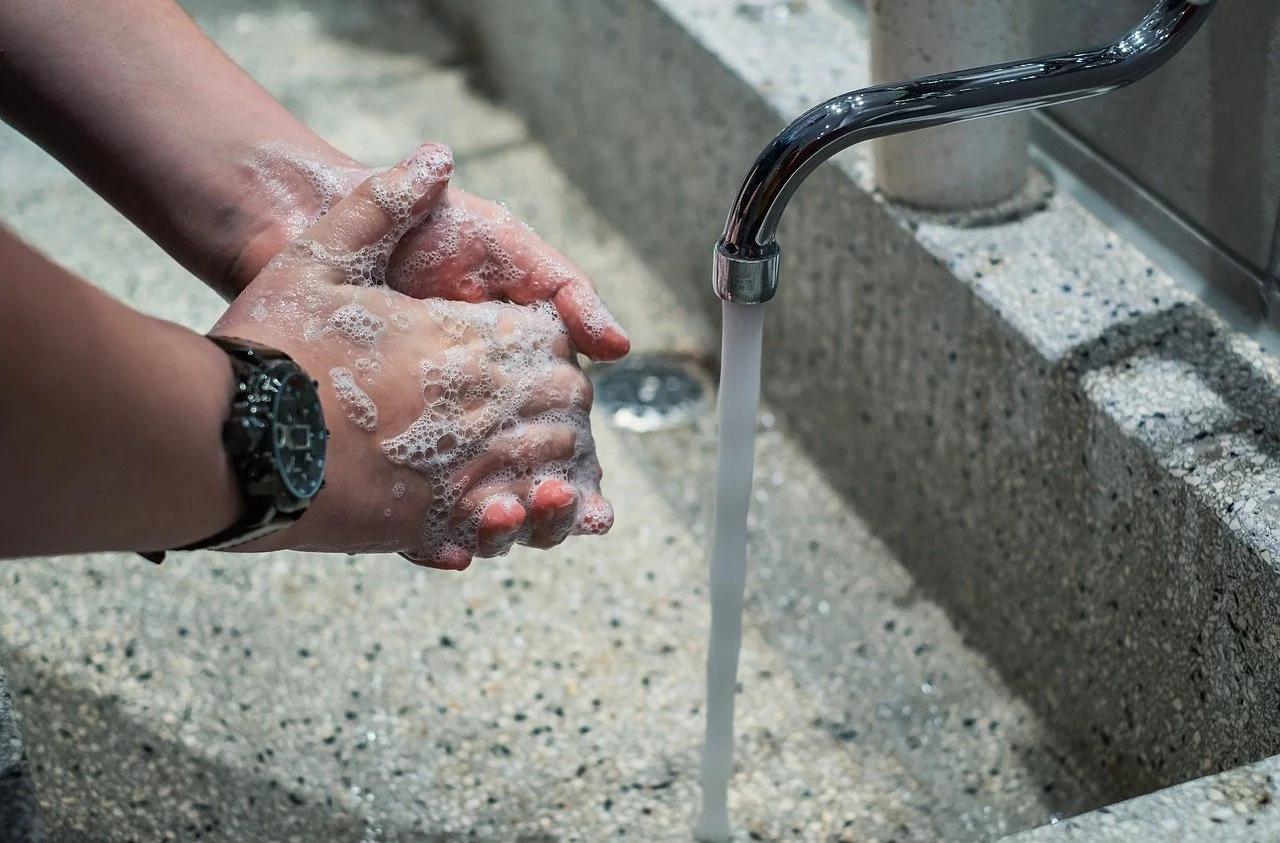
Wash your hands often: Use soap and water, especially after using the restroom, changing diapers, or before eating. Hand sanitizers are less effective against norovirus.
Clean surfaces thoroughly: Use a bleach-based disinfectant to kill the virus on hard surfaces, especially in kitchens and bathrooms.
Handle food carefully: Wash fruits and vegetables thoroughly, cook seafood to proper temperatures, and avoid preparing food if you’re sick or recovering from norovirus.
Stay vigilant during outbreaks: Avoid crowded places or contact with sick individuals during a known outbreak.
If you contract norovirus, the most critical concern is preventing dehydration. Drink plenty of fluids, such as water, electrolyte solutions, or clear broths. Small sips are better if nausea is severe. Avoid caffeine and alcohol, as they can worsen dehydration.
Rest is essential, and when you’re ready to eat, stick to bland foods like bananas, rice, applesauce, or toast. Avoid dairy, spicy, or fatty foods that can irritate your stomach further.
Consider medical attention if the following symptoms occur:
1. Severe Dehydration
Signs of dehydration: Extreme thirst, very dry mouth, dark urine, little to no urination, dizziness, or fainting. Dehydration can progress quickly, especially in young children, older adults, and individuals with weakened immune systems.
2. Persistent Vomiting or Diarrhea
If vomiting or diarrhea persists for more than 2-3 days or is very frequent and severe, it can lead to dehydration.
3. Blood in Vomit or Stool
Any signs of blood in vomit or stool may indicate a more serious issue and require immediate medical evaluation.
4. High Fever
A fever of 102°F or higher that doesn't subside with over-the-counter medications could signal a more severe infection.
5. Severe Abdominal Pain
Persistent or worsening abdominal pain should not be ignored as it might indicate complications.
~
To prevent spreading the virus, stay home for at least 48 hours after symptoms resolve. Wash contaminated laundry promptly and disinfect high-touch surfaces.
While norovirus is unpleasant, proactive hygiene and self-care can help you recover quickly and protect those around you.