Treating cuts and open wounds
Q: What is the best way to deal with cuts and open wounds?
A: Whether it’s a minor scrape from working in the garden or a deeper cut from a household accident, wounds are common—but how you care for them can make all the difference in healing and preventing complications. For residents of Berks County and surrounding communities, outdoor activities increases in warmer months, and understanding proper wound care is especially important.
Advanced Would Care
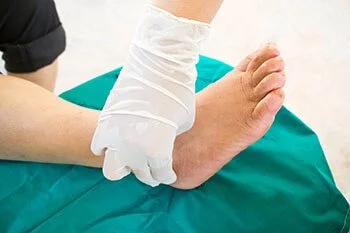
Specialty wound care is especially critical for people with diabetes, poor circulation, or weakened immune systems, as their risk of infection and complications is higher. For those dealing with such issues, there are advanced treatment options available. For example, amniotic tissue allografts, now available through A-Z Health Services, can be placed on or around a wound to cover, protect and nourish tissue. It is a biomaterial known for its natural ability to cover, protect, and heal.
Home Care
The first step is to clean the wound thoroughly. Rinse with clean water to remove dirt and debris, and gently wash the area with mild soap. Avoid using hydrogen peroxide or iodine directly on open wounds, as these can damage healthy tissue and slow healing.
After cleaning, apply an antibiotic ointment and cover the wound with a sterile bandage to protect it from bacteria. Change the bandage daily or whenever it becomes wet or dirty. Keeping the wound moist—not dry—actually promotes faster healing and reduces scarring.
Watch for signs of infection, such as increasing redness, swelling, warmth, pus, or a fever. If any of these symptoms occur, or if the wound isn’t healing after a few days, it’s important to seek medical attention. Deep wounds, punctures, or injuries from dirty or rusty objects may also require a tetanus shot or stitches.
As a physician, I’ve seen how proper wound care can prevent long-term issues and speed up recovery. It’s a simple but powerful way to take control of your health. By practicing basic wound care steps and knowing when to seek help, our community can stay safe and enjoy the season with confidence and peace of mind.